Bhagavad Gita 2.20
Chapter 2, verse 20
Meaning
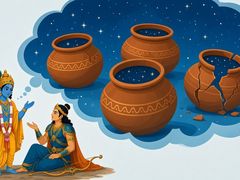
The self is never born and never dies. It did not begin at some point, and it will not stop. Unborn, eternal, lasting and ancient, it is not killed when the body is killed.
The Sanskrit
न जायते म्रियते वा कदाचिन्
नायं भूत्वा भविता वा न भूयः ।
अजो नित्यः शाश्वतोऽयं पुराणो
न हन्यते हन्यमाने शरीरे ॥ २० ॥
na jāyate mriyate vā kadā cin / nāyaṃ bhūtvā bhavitā vā na bhūyaḥ
ajo nityaḥ śāśvato 'yaṃ purāṇo / na hanyate hanyamāne śarīre
Say it
nuh jaa-yuh-tay mri-yuh-tay vaa kuh-daa-chin
naa-yum bhoo-tvaa bhuh-vi-taa vaa nuh bhoo-yuh-h
uh-jo ni-tyuh-h shaash-vuh-to 'yum poo-raa-no
nuh hun-yuh-tay hun-yuh-maa-nay shuh-ree-ray
Word by word
- na jāyate mriyate vā
- is not born, nor does it die
- kadācit
- at any time
- na ayam bhūtvā bhavitā vā na bhūyaḥ
- having come to be, it does not cease to be again (it never comes into being or goes out of it)
- ajaḥ
- unborn
- nityaḥ
- eternal
- śāśvataḥ
- everlasting
- ayam purāṇaḥ
- this ancient one
- na hanyate hanyamāne śarīre
- is not killed when the body is killed
 Read it in context: verses 2.17–20What no weapon can touchWith the story so far, commentary, and today's lesson: Not every ending is the end of you
Another translation and audio recitation: verse 2.20 on holy-bhagavad-gita.org.
Get the readings by email
The verses, the lesson and one thing to try. Free, and separate from new-comic alerts.
We'll ask you to confirm by email first. Unsubscribe from any email.